Fabric Types Guide: Fit, Silhouette & Garment Care
Fashion is not just what you wear — it is what your clothing is made of. The fabric of a garment determines everything that matters: how it drapes against your skin, how it holds its shape after repeated wear, how it responds to your body's heat and movement, and how long it remains beautiful with proper care. Understanding fabric is not a niche concern for textile enthusiasts. It is the foundational knowledge that separates a wardrobe built to last from one that disappoints within a season.
This guide breaks down the most important fabric types in intimate apparel and everyday wear, explains how each one influences fit and silhouette, and equips you with the garment care knowledge to protect your investment — piece by piece.
Cotton: The Breathable Everyday Standard

Cotton is the most widely used natural fiber in fashion for good reason. Its open-weave structure allows air to circulate freely, making it naturally breathable and ideal for garments worn close to the skin. It is soft, hypoallergenic, and gentle on sensitive skin — qualities that make it the default choice for everyday underwear and intimate base layers.
Where cotton requires attention is in its care. Natural fibers are prone to shrinkage when exposed to heat, and cotton is no exception. Always wash cotton garments in cold water on a gentle cycle, and air dry wherever possible. Avoid high-heat tumble drying, which compresses the fibers and permanently reduces the garment's dimensions.
In terms of silhouette, cotton has a relaxed, natural drape. It does not cling aggressively or sculpt the body — instead, it follows your shape softly, making it ideal for pieces designed for comfort and ease rather than structured definition. The Mapale 80012 Three Piece Set in Midnight Garden demonstrates how cotton-blend construction in intimate apparel can deliver both softness and a refined aesthetic. Explore the full Mapale lingerie and lounge collection for pieces that prioritize fabric quality across every category.
Polyester: The Durable Performer
Polyester is the workhorse of modern fashion. Synthetic in origin, it is engineered for durability — resistant to wrinkles, shrinkage, and most forms of wear-related degradation. It holds its shape exceptionally well, making it the preferred choice for structured garments, swimwear, and pieces that need to maintain their silhouette through repeated use and washing.
The trade-off with polyester is breathability. Unlike natural fibers, polyester does not absorb moisture — it repels it. In activewear and swimwear, this is a feature: moisture-wicking polyester pulls sweat away from the skin and dries rapidly. In everyday intimate wear, however, it can feel less breathable than cotton or modal, particularly in warmer conditions.
Care for polyester is straightforward: warm water, regular cycle, and low-heat drying. A fabric conditioner added to the wash cycle helps manage any tendency to retain odors — a minor but worth-noting characteristic of synthetic fibers. For swimwear specifically, rinse in cold water immediately after use to remove chlorine or salt, both of which degrade polyester fibers over time.
Silk: The Luxury Standard

Silk is the benchmark against which all luxury fabrics are measured. Produced from the cocoon of the silkworm, it is one of the strongest natural fibers in existence — yet it drapes with a fluidity and luminosity that no synthetic can fully replicate. Against the skin, silk feels cool, smooth, and weightless. It regulates temperature naturally, keeping you cool in warmth and warm in cool conditions.
In terms of silhouette, silk is unmatched for its ability to follow the body's natural contours without clinging. It creates a smooth, elongated line that is simultaneously modest and deeply sensual — a quality that has made it the defining fabric of luxury lingerie for centuries. The Mapale 80010 Two Piece Set in Hyacinth Reverie captures this quality precisely: a piece where the fabric does the work, draping beautifully and moving with the body rather than against it.
Silk demands careful handling. Hand wash in cold water with a gentle, pH-neutral detergent, or use a mesh laundry bag on the most delicate machine cycle available. Never wring silk — press it gently between clean towels to remove excess water, then lay flat or hang to dry away from direct sunlight, which degrades the fibers and causes fading. For a broader exploration of how fabric quality defines luxury intimate apparel, our guide on lingerie as more than just fabric is essential reading.
Spandex: The Architecture of Fit
Spandex — also known as elastane or Lycra — is rarely used alone, but it is present in almost every garment that fits well. Even a small percentage of spandex (typically 5–20%) transforms the behavior of a fabric entirely, adding stretch, recovery, and the ability to conform to the body's shape without losing its own.
This is the fabric that makes a bodysuit hug your curves without gaping, that allows swimwear to move with you in the water, and that gives underwear its ability to hold its shape wash after wash. Without spandex, most form-fitting garments would either restrict movement or lose their structure within a few wears.
Care for spandex-blend garments requires attention to heat. High temperatures — whether from hot water, a tumble dryer, or direct ironing — break down the elastic fibers and permanently reduce their recovery. Always wash in cool water, avoid fabric softeners (which coat the fibers and reduce elasticity over time), and lay flat to dry. Never hang spandex-heavy garments to dry, as the weight of the wet fabric stretches them out of shape.
How Fabric Shapes Your Silhouette

Fabric choice is one of the most powerful tools in shaping how a garment looks on the body — often more influential than cut or construction alone. Understanding this relationship allows you to make deliberate choices that flatter your specific proportions and serve your intended aesthetic.
Silk and satin-finish fabrics create a smooth, elongated silhouette. They reflect light, which adds visual dimension, and their fluid drape skims over the body rather than adhering to it — ideal for those who want coverage with elegance.
Cotton and jersey knits offer a relaxed, natural silhouette. They conform to the body without sculpting it, making them the most forgiving and comfortable choice for everyday wear.
Spandex-blend fabrics create a sculpted, defined silhouette. They compress and support, smoothing the body's contours and creating a streamlined appearance. The Mapale 80011 Bodysuit in Hyacinth Reverie is a perfect example — the spandex-blend construction creates a second-skin fit that defines the silhouette while remaining genuinely comfortable to wear.
Mesh and net fabrics add visual texture and dimension without weight. They layer beautifully over other fabrics and create an alluring interplay of coverage and transparency. For a deep dive into how net and mesh fabrics work in intimate apparel, our net lingerie style and fit guide covers everything you need to know.
Choosing the Right Fabric for Your Wardrobe

The right fabric for any given garment depends on three variables: the occasion, your body's needs, and the aesthetic you want to achieve. For everyday underwear, prioritize breathability — cotton, modal, and bamboo blends are your best allies. For intimate pieces designed to be seen, silk and satin-finish fabrics deliver unmatched elegance. For activewear and swimwear, polyester-spandex blends offer the performance and durability the category demands.
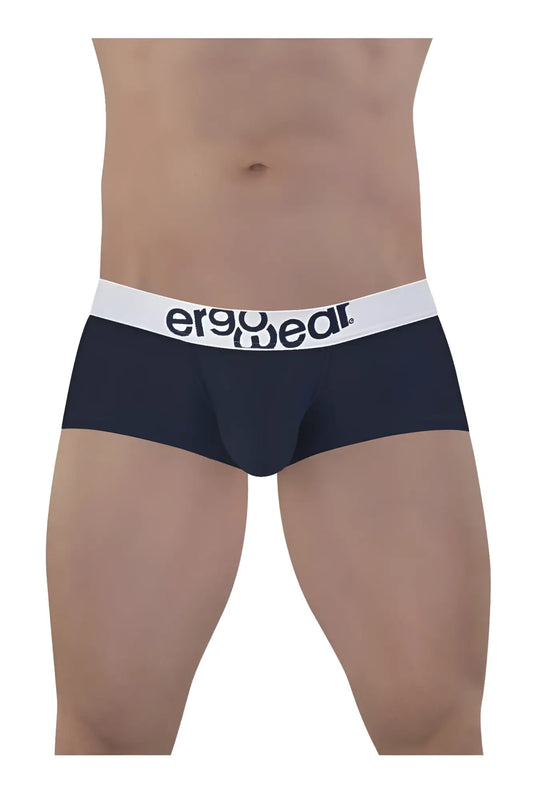
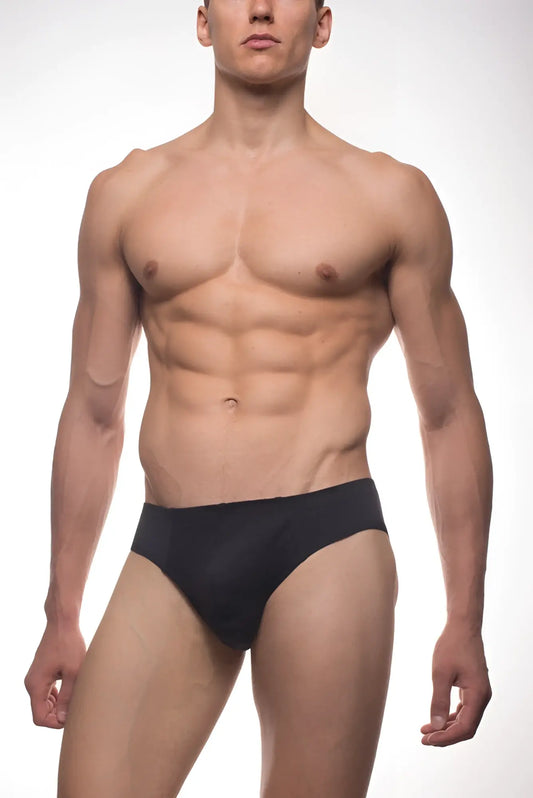
The ErgoWear EW1831 X4D SW Swim Bikini in Black exemplifies the performance end of this spectrum — a polyester-spandex construction engineered for the demands of water, movement, and repeated use. The MOB Men's Tear Drop String Thong demonstrates how polyester blends deliver structure and shape retention in men's intimate apparel without sacrificing comfort. Explore the full ErgoWear underwear and swimwear collection for pieces that set the standard in performance fabric construction.
Garment Care: Protecting Your Investment
The most beautifully made garment will deteriorate quickly without proper care. These principles apply across all fabric types and form the foundation of a wardrobe that maintains its quality over time.
Read the care label first. Every garment carries washing instructions specific to its fabric composition. These are not suggestions — they are the manufacturer's tested guidance for preserving the garment's integrity. Ignoring them is the single most common cause of premature garment failure.
Sort by fabric type, not just color. Delicate fabrics like silk and lace should never share a wash cycle with heavy cotton or denim. The mechanical action of the machine can cause pilling, snagging, and fiber damage in lighter materials.
Use gentle, fabric-appropriate detergents. Harsh detergents strip natural fibers of their oils, accelerating degradation. For silk and delicate blends, a pH-neutral or specialist delicate detergent is non-negotiable.
Default to low heat — always. Heat is the enemy of fabric longevity. It causes shrinkage in natural fibers, breaks down elastic in spandex blends, and fades color in synthetics. When in doubt, air dry.
Caring for Underwear and Intimates
Undergarments are the closest garments to your skin and the most frequently washed items in your wardrobe. They require a higher standard of care than outerwear precisely because of this frequency.
Hand wash whenever possible. The mechanical action of a washing machine — even on a gentle cycle — creates friction that degrades elastic fibers and delicate lace over time. Hand washing in cool water with a gentle detergent is the gold standard for intimate apparel.
Use a mesh laundry bag for machine washing. When hand washing is not practical, a mesh bag protects delicate pieces from snagging on other garments and reduces the mechanical stress of the wash cycle.
Never tumble dry intimates. Lay flat or hang to dry, away from direct heat and sunlight. This preserves both the fabric's integrity and the garment's shape.
Building a wardrobe of intimates that genuinely lasts begins with choosing pieces constructed from quality fabrics — and caring for them accordingly. Explore our Mapale lingerie and lounge collection and the ErgoWear performance underwear range for pieces where fabric quality is built into every stitch.
Related Posts
-
Vedette 107 Evonne Underbust Bodysuit in Bikini Color Nude
Vedette 107 Evonne Underbust Bodysuit in Bikini Color NudeAre you looking for a figure-enhancing and confidence-boost...
-

Fashion Basics: Balancing Fit & Silhouette in Intimates
In the evolving landscape of fashion, the tension between staying stylish and maintaining comfort in everyday wear is...
-

Unveiling the Latest Trends in Seductive Fashion for 2026-2027
In the ever-evolving world of fashion, the allure of seductive style continues to captivate and inspire. As we step i...
-
WildmanT Big Boy Pouch: How to Choose and Wear the Range
Introduction WildmanT's product range is built around a single construction principle — the Big Boy Pouch — but the r...
-
Private Structure Underwear 2024-1: Discover Modern Style & Uncompromising Comfort
Upgrade your underwear drawer with the Private Structure Underwear 2024-1 collection at SeductiveUtopia.net. This Mal...