Washing Instructions for Base Layers: The Complete Fabric Care Guide
Proper washing instructions for base layers are the single most important factor in preserving fabric quality, fit, and longevity — and most people are doing it wrong. Whether you're caring for finely crafted men's underwear, delicate lingerie, or performance-grade intimates, the right technique protects your investment and keeps every piece feeling like new. In this guide, we break down fabric types, share essential garment care tips, and deliver practical washing instructions tailored to the base layers in your wardrobe.
The Importance of Fabric Knowledge

Knowing your fabric is the foundation of every smart care decision — skip this step and even the most premium base layer will degrade faster than it should. The three most common fabric types found in quality base layers each demand a distinct approach:
- Cotton: The benchmark for breathability and everyday softness. Durable under regular washing, but highly susceptible to shrinkage when exposed to hot water or high dryer heat.
- Modal: A semi-synthetic fiber prized for its silky drape and superior moisture-wicking performance. Modal resists shrinkage better than cotton but requires a gentle cycle to maintain its structure.
- Synthetic Blends: The go-to for performance and stretch retention. Elastane, nylon, and polyester blends hold their shape through repeated wear — but they trap odors if not washed promptly and correctly.
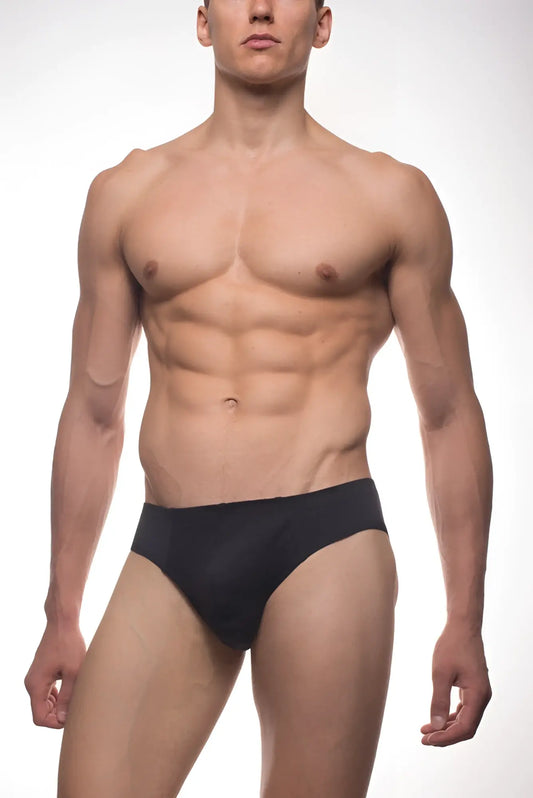
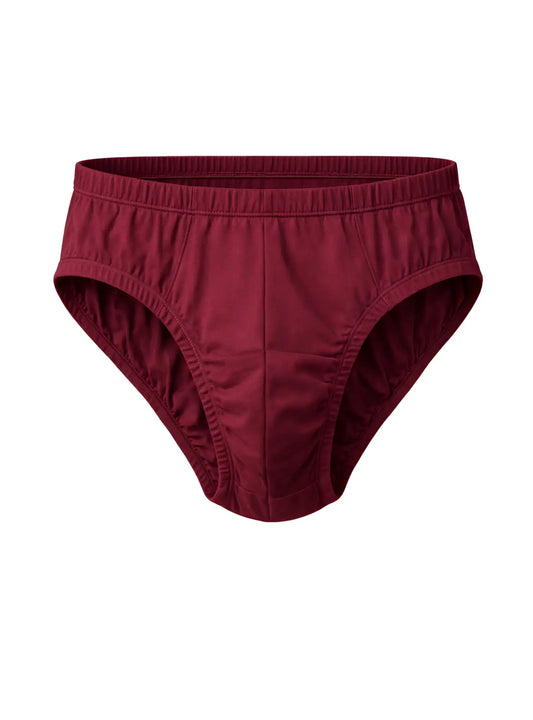
Selecting the right fabric for your lifestyle is the first act of proper garment care. The Private Structure EPUS4570 Prime Elysian Hipster exemplifies this balance — engineered with a premium fabric blend that delivers both comfort and durability when cared for correctly. For a deeper look at how different materials behave over time, our guide to caring for various fabric types covers the full spectrum.
Garment Care Tips

Five habits separate garments that last years from those that fade and lose shape within months — adopt them now and your base layers will reward you with consistent comfort and appearance:
- Read the Care Label First: Every label is a direct instruction set from the manufacturer. Ignoring it voids any expectation of longevity.
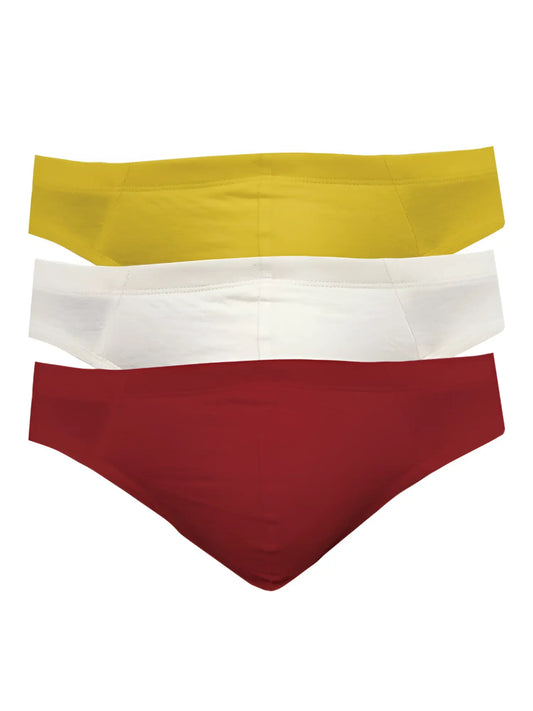
- Separate by Color: Wash darks and lights in separate loads. Vibrant pieces like the Clever 2042 Mendoza Trunks will bleed color onto lighter fabrics if mixed.
- Default to Cold Water: Cold water is gentler on fibers, prevents color fading, and is more energy efficient — there is almost no scenario where hot water improves a base layer wash.
- Choose a Gentle, Fragrance-Free Detergent: Harsh surfactants and synthetic fragrances break down elastic fibers and can cause skin irritation. A mild, non-biological formula is the right call for intimates.
- Never Overload the Machine: Overcrowding prevents thorough rinsing and creates friction that accelerates fabric wear. Give your garments room to move.
Washing Instructions for Base Layer Maintenance

The correct wash method for your specific fabric type is the single variable that most directly determines how long a base layer retains its original fit and feel. Follow these fabric-specific protocols:
-
Cotton and Modal:
- Machine Wash: Gentle cycle, cold water only.
- Detergent: Mild, non-biological formula — no bleach, no optical brighteners.
- Drying: Air dry flat or on a hanger to preserve elasticity. If machine drying is necessary, use the lowest heat setting available.
-
Synthetic Blends:
- Pre-Treat Stains: Address stains before washing — synthetic fibers set stains faster than natural ones.
- Machine Wash: Turn inside out and place in a mesh laundry bag. Use a warm or cold setting.
- Skip the Fabric Softener: Softener coats synthetic fibers and destroys moisture-wicking performance permanently.
- Air Dry: Essential for maintaining shape and protecting the integrity of stretch fibers over time.
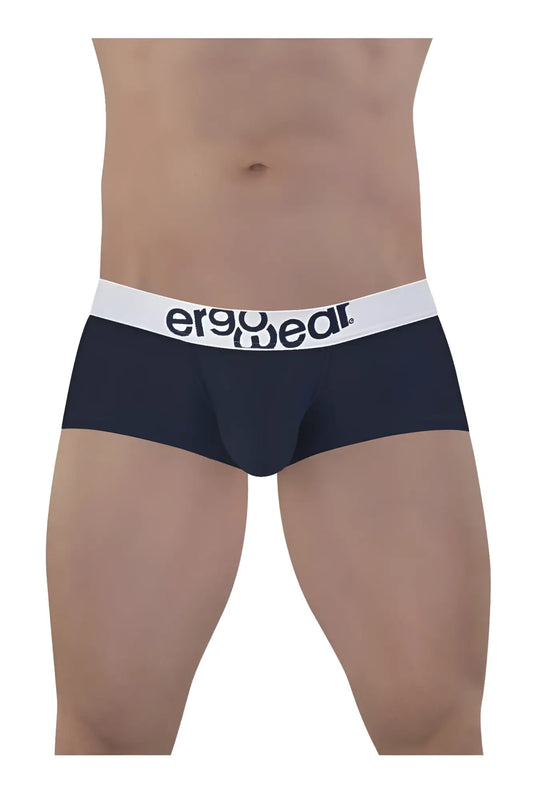
Precision in these steps is what keeps form-fitting pieces like the ErgoWear EW1805 X4D SE Thongs performing at their best wash after wash. Browse the full ErgoWear collection to explore their range of anatomically engineered styles built for lasting comfort.
Maintaining Durability Over Time
Long-term garment durability is built through consistent small habits — not occasional deep care routines. The following practices compound over time to dramatically extend the life of your base layers:
- Rotate Your Wardrobe: Wearing the same pieces daily accelerates elastic fatigue. A rotation of at least five to seven pairs distributes wear evenly and extends the lifespan of each item.
- Store Folded, Not Hung: Hanging base layers stretches elastic waistbands and leg openings. Fold them neatly and store in a cool, dry drawer away from direct sunlight.
- Address Damage Early: A small snag or loose thread repaired immediately prevents a larger structural failure later. Inspect your base layers after each wash.
These habits apply equally to boxers and trunks as they do to briefs, thongs, and performance styles. For a broader look at how to build a wardrobe that holds its quality season after season, our guide on durability and elegance in premium fabrics is essential reading.
Consistent care is the difference between a base layer that looks and feels premium after two years and one that loses its shape after two months. Apply these washing instructions, build the storage habits, and your wardrobe will reflect the quality you invested in.
FAQs
What are base layers, and why are they important for my wardrobe?
Base layers are the garments worn closest to your skin — underwear, intimates, and performance innerwear. They regulate body temperature, manage moisture, and form the foundation of daily comfort and confidence.
How often should I wash my base layers?
Wash base layers after every single wear. This is non-negotiable for hygiene and for preserving moisture-wicking performance, particularly in synthetic fabrics.
What is the best way to wash my base layers?
Turn them inside out, use a gentle cold cycle, and select a mild detergent. This combination protects fiber integrity and color vibrancy simultaneously.
Can I use fabric softeners on my base layers?
No. Fabric softeners coat synthetic and modal fibers, permanently reducing their moisture-wicking capability and accelerating breakdown of elastic components.
Should I air dry or tumble dry my base layers?
Air drying is always the superior option. If you must use a dryer, select the lowest heat setting and remove garments while still slightly damp to prevent over-drying.
Are there specific washing detergents I should use for my base layers?
Use a mild, fragrance-free detergent formulated for delicates or technical fabrics. Avoid bleach, optical brighteners, and enzyme-heavy formulas that degrade elastic fibers.
How should I store my base layers when not in use?
Fold and store in a cool, dry location away from direct sunlight. Never hang base layers — sustained tension on waistbands and leg openings causes permanent stretching.
What should I do if my base layer develops an odor after washing?
Soak the garment in a solution of cold water and white vinegar for 30 minutes before rewashing on a gentle cycle. Avoid hot water, which sets odor-causing bacteria into synthetic fibers.
Can I iron my base layers if they get wrinkled?
Ironing is not recommended for most base layers. Instead, hang the garment in a steam-filled bathroom for 10 to 15 minutes — this releases wrinkles without risking heat damage to elastic fibers.
Related Posts
-
PLURAL PL002 Bodysuit Color Black
Introducing the PLURAL PL002 Bodysuit Color Black Flaunt your figure and turn heads with our Bodysuit, the epitome...
-
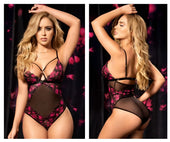
Lace Bodysuits: Style Guide & Brand Overview
Introduction The lace bodysuit occupies a unique position in intimate apparel — it is simultaneously the most structu...
-
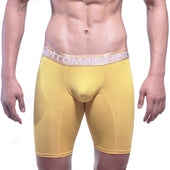
Soft Fabrics for Men: Comfort, Base Layers & Wear
Comfort is not passive. It is the result of deliberate choices — about fabric, fit, and construction — made before yo...
-
Unleash Your Inner Allure: Empowering Self-Expression Through Seductive Fashion
In a world where fashion has the power to shape our self-perception and confidence, SeductiveUtopia.net emerges as a ...
-

Elevate Your Confidence with ErgoWear 2024-9: The MAX COTTON Collection
At SeductiveUtopia.net, we proudly present the latest in men’s designer underwear: the ErgoWear 2024-9 collection, f...