Fabric Types for Everyday Durability & Comfort Guide
Every garment you own is only as good as the fabric it's made from — and only as durable as the care it receives. These two variables, fabric selection and garment maintenance, determine whether a piece remains a wardrobe staple for years or deteriorates within months. In intimate apparel and everyday underwear, where garments are worn frequently, washed regularly, and subjected to constant friction and movement, this relationship is especially consequential.
This guide breaks down the most important fabric types for everyday durability and comfort, explains what each material requires to perform at its best, and provides the practical care protocols that extend the life of every piece in your intimate wardrobe.
Why Fabric Type Is the First Decision
Fabric type determines everything that matters in a garment: how it breathes, how it moves, how it holds its shape under tension, how it responds to washing, and how it feels against your skin after the hundredth wear. Choosing a fabric without understanding its properties is choosing blind — and the consequences accumulate over time in the form of premature wear, loss of elasticity, and garments that disappoint long before they should.
The fabric landscape for intimate apparel and everyday underwear divides broadly into two categories: natural fibers and synthetic fibers. Each has distinct strengths, distinct vulnerabilities, and distinct care requirements. The most sophisticated wardrobes draw from both, matching fabric to context rather than defaulting to a single material across all use cases. For a deeper exploration of how fabric choice affects fit and silhouette — not just durability — our fabric types guide for fit and silhouette covers the full analytical framework.
Natural Fibers: Cotton and Beyond

Natural fibers are derived from plant or animal sources and are celebrated for their breathability, skin compatibility, and tactile comfort. In intimate apparel, they represent the gold standard for all-day everyday wear.
Cotton: The Everyday Benchmark
Cotton is the most widely used natural fiber in underwear and intimate apparel, and its dominance is earned. Its open-weave fiber structure allows air to circulate freely, making it naturally breathable and comfortable against the skin for extended periods. It is soft, hypoallergenic, and gentle on sensitive skin — qualities that make it the default choice for everyday base layers.
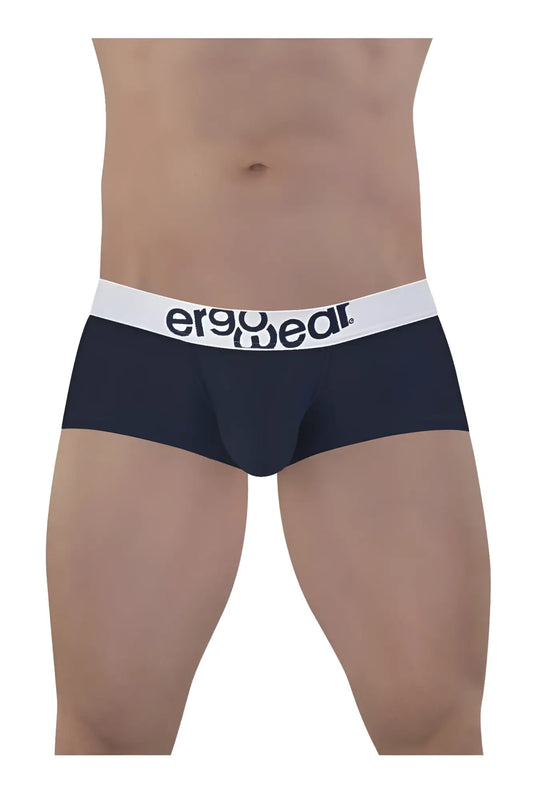
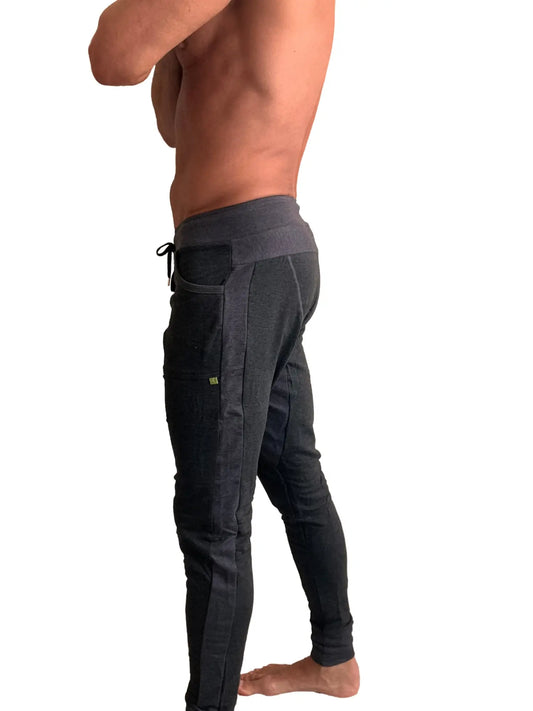
The Clever 0872 Latin Trunks in Dark Blue embrace these qualities in a modern trunk cut that delivers a natural, comfortable fit ideal for daily activities. The construction provides ease of movement without sacrificing the clean silhouette that makes trunks the most versatile style in men's underwear. Explore the full men's trunks collection for cotton and cotton-blend options across a range of cuts and colorways.
Cotton's primary vulnerability is heat. High washing temperatures cause shrinkage and fiber stiffening. High dryer temperatures accelerate color fading and elastic degradation. The correct care protocol for cotton underwear is cold water on a gentle cycle, followed by air drying or low-heat tumble drying. This simple discipline significantly extends the garment's lifespan.
Modal and Bamboo: The Premium Natural Tier
Modal — derived from beech tree pulp — and bamboo represent the premium tier of natural fiber intimate apparel. Both are significantly softer than standard cotton, with superior moisture management and better resistance to pilling and shrinkage over repeated washing. Bamboo adds natural thermoregulation and inherent antibacterial properties that resist odor without chemical treatment.
These materials justify their higher price point through longevity and consistent comfort. A modal or bamboo garment cared for correctly will maintain its softness and shape through far more wash cycles than standard cotton — making the cost-per-wear calculation strongly favorable over time.
Synthetic Fibers: Performance and Resilience

Synthetic fibers — polyester, nylon, elastane, and their blends — are engineered rather than grown. Their properties are designed rather than inherited, which means they can be optimized for specific performance requirements: moisture-wicking, rapid drying, stretch and recovery, wrinkle resistance, and structural durability under repeated mechanical stress.
Microfiber and Performance Blends
Microfiber — typically a polyester or nylon blend — is the performance fabric of the intimate apparel category. Featherlight and moisture-wicking, it moves sweat away from the skin and dries rapidly, making it the optimal choice for active use and warmer conditions. Its smooth surface eliminates visible lines under fitted clothing, and its structural resilience means it holds its shape through repeated washing without the shrinkage risk of natural fibers.
The JUSTIN+SIMON XSJBU02 Bulge Thongs in Pink utilize synthetic blends to deliver stretchability and form retention in a bold, fashion-forward design. The synthetic construction ensures the garment maintains its shape and color through regular wear and washing — a practical advantage for a piece worn frequently. Browse the full men's thong collection for synthetic and blended styles across a range of aesthetics and performance profiles.
The critical care rule for synthetic fabrics is heat avoidance. High washing temperatures and tumble dryer heat break down the elastane fibers that give synthetics their stretch and recovery. Always wash in cool or warm water, never hot, and air dry or use the lowest dryer heat setting available. Avoid fabric softeners on performance synthetics — they coat the fibers and permanently reduce moisture-wicking performance.
Elastane and Stretch Blends
Elastane — also known as spandex or Lycra — is rarely used alone but is present in almost every well-fitting intimate garment. Even a small percentage (typically 5–20%) transforms a fabric's behavior entirely, adding the stretch and recovery that allows underwear to conform to the body without losing its shape. Without elastane, most fitted underwear styles would either restrict movement or lose their structure within a few wears.
Base Layer Fabric Care: The Protocols That Matter

Base layers — underwear and intimates worn directly against the skin — are the most frequently washed items in any wardrobe. This frequency makes correct care protocols especially important: the cumulative effect of repeated washing on the wrong settings accelerates fabric degradation far faster than wear alone.
The MaleBasics DMBL03 DNGEON Snap Jockstrap in Black is a strong example of a base layer that rewards correct care with exceptional longevity. The construction combines durable hardware with precision elastic and quality fabric — materials that perform consistently when washed correctly and deteriorate rapidly when they aren't. Explore the full MaleBasics underwear collection for pieces that bring the same construction standard to every style category.
The Core Care Protocols
Sort by fabric type, not just color. Delicate synthetic and mesh fabrics should never share a wash cycle with heavy cotton or garments with hardware. The mechanical friction and weight differential causes snagging, pilling, and distortion in lighter pieces.
Use a mesh laundry bag for delicates. Any piece made from mesh, lace, or fine microfiber should go into a mesh bag before entering the machine. This reduces mechanical agitation, prevents snagging, and protects elastic waistbands from twisting.
Choose the right detergent. Standard laundry detergents are often too alkaline for delicate intimate fabrics. Use a gentle, pH-neutral detergent for silk and lace. Avoid fabric softeners on performance synthetics entirely.
Wash in cold water. Cold water cleans effectively while preserving fiber integrity, color, and elastic performance across all fabric types. It is the correct default for intimate apparel regardless of material.
Air dry wherever possible. Lay pieces flat on a clean drying rack, away from direct sunlight. Never hang elastic-heavy garments to dry — the weight of the wet fabric stretches them out of shape. If you must use a dryer, select the lowest heat setting and remove garments while still slightly damp.
Practical Tips for Long-Term Garment Durability
Read care labels before the first wash. The care label is the manufacturer's tested guidance for that specific fabric composition. Ignoring it is the most common cause of premature garment failure.
Invest in quality over quantity. Premium fabrics — modal, bamboo, supima cotton, quality microfiber — hold their shape, softness, and performance through significantly more wash cycles than budget alternatives. The cost-per-wear of a quality piece is almost always lower than the cost-per-wear of a cheaper replacement cycle.
Rotate your wardrobe. Wearing the same pieces repeatedly without rotation accelerates wear. A rotation of seven to ten pairs of everyday underwear allows each piece adequate recovery time between wears and washes.
Replace proactively. Replace underwear when you notice significant waistband stretching, fabric thinning, or persistent discomfort. These are signs that the garment is no longer providing the support and comfort it was designed to deliver — and continuing to wear it is a false economy.
For a comprehensive guide to washing, drying, and storing every fabric type in your intimate wardrobe, our garment care guide for underwear and intimates covers every protocol in depth.
FAQs
What fabric is most durable for everyday underwear?
High-quality cotton blends, modal, and performance microfiber consistently deliver the best durability for everyday underwear. Modal and bamboo maintain their softness and shape through more wash cycles than standard cotton. Microfiber is the most resilient option for active use.
Are synthetic fabrics comfortable for all-day wear?
Yes, when engineered correctly. Performance microfiber and nylon blends are featherlight, moisture-wicking, and smooth against the skin — making them genuinely comfortable for extended wear, particularly in warmer conditions or during physical activity.
What fabrics are best for sensitive skin?
Organic cotton, modal, and bamboo are the recommended choices for sensitive skin. These natural and semi-natural fibers are hypoallergenic, gentle against the skin, and free from the chemical treatments that can cause irritation in some synthetic fabrics.
Can I combine comfort and durability in one fabric?
Yes. Modal and bamboo blends offer exceptional softness alongside superior durability compared to standard cotton. Cotton-elastane blends add stretch and recovery to cotton's natural comfort. These blends represent the best of both properties in a single fabric.
How do fabric blends improve underwear performance?
Blends combine the strengths of different fibers. A cotton-modal blend delivers cotton's breathability with modal's superior softness and shape retention. A polyester-elastane blend provides microfiber's moisture-wicking performance with the stretch and recovery needed for a secure, comfortable fit.
How often should I replace everyday underwear?
Replace underwear when you notice significant waistband stretching, fabric thinning, pilling, or persistent discomfort. With correct care, quality pieces can last 12 months or more in regular rotation.
Related Posts
-
Vedette 3133 Arm Compression Vest Color Black
Introducing the Vedette 3133 Arm Compression Vest Color BlackAre you tired of dealing with unwanted arm bulges and ba...
-

Bold Halloween Costumes for Adults: 2026 Trends Rewriting the Rules of Theatricality
Halloween 2026 has moved past the safety of "cute" and "clever." The defining word across adult costuming this year i...
-

Fashion Basics: Balancing Fit & Silhouette in Intimates
In the evolving landscape of fashion, the tension between staying stylish and maintaining comfort in everyday wear is...
-
Dive into Style: Your Ultimate Guide to Choosing the Perfect Swimwear in 2026
The Evolution of Swimwear: From Practicality to High Fashion Swimwear, a seemingly simple garment, has undergone a re...
-

MetroMaleWear (M2W): The Complete Guide to Men's Underwear & Swimwear
What MetroMaleWear Actually Means MetroMaleWear (M2W) is a men's underwear and swimwear brand stocked at SeductiveUto...