Winter Wardrobe Psychology: How Colors Affect Confidence
The Chromatic Connection: Understanding Fashion Psychology
Let's cut through the fluff and get real about something most people won't tell you: the colors you wear literally rewire your brain. Fashion psychology isn't some ethereal concept floating around in academic circles—it's hard science backed by decades of research. Your winter wardrobe choices create neurochemical reactions that either boost your confidence or tank it completely.
The phenomenon called "enclothed cognition" reveals how specific garments and their associated colors trigger measurable changes in cognitive performance and emotional states. When you slip into that deep burgundy sweater or don those midnight black thermal layers, you're not just getting dressed. You're programming your psychological operating system for the day ahead.
Winter presents unique chromatic challenges that summer wardrobes never face. The abbreviated daylight hours, coupled with nature's monochromatic palette, creates a psychological vacuum that your clothing choices must fill. This seasonal shift demands strategic color deployment to counteract the confidence-sapping effects of prolonged darkness and cold.
The Neuroscience Behind Color Perception
Your visual cortex processes color information faster than any other sensory input, sending immediate signals to your limbic system—the emotional control center of your brain. This instantaneous connection explains why certain hues can transform your entire demeanor within seconds of wearing them.
Research demonstrates that specific wavelengths of light reflected by clothing colors stimulate different neurotransmitter production. Warmer tones increase dopamine synthesis, while cooler shades can either calm anxiety or trigger melancholic responses depending on saturation levels and personal associations.
Winter's Psychological Landscape and Color Dynamics
Winter psychology operates on scarcity principles. Your brain craves visual stimulation that nature temporarily withdraws, creating an opportunity for strategic color intervention through fashion choices. Understanding this seasonal psychological shift allows you to leverage clothing as a therapeutic tool.
The winter months trigger ancestral responses encoded in human DNA—preparation for dormancy, resource conservation, and heightened survival awareness. These primal reactions manifest as decreased motivation, social withdrawal, and diminished self-assurance. Strategic color selection in your intimate and outer wear can counteract these evolutionary programming glitches.
Foundation Layer Psychology: The Intimate Confidence Connection
Here's what the fashion industry doesn't want you to know: your foundation layers wield disproportionate psychological influence compared to visible garments. The colors touching your skin create a sustained chromatic field that your nervous system continuously processes throughout the day.
Premium intimate apparel in confidence-boosting colors serves as psychological armor. When you're wearing exceptional foundation pieces like the ErgoWear EW1349 Long Johns in rich, mood-elevating hues, you're creating an invisible support system that radiates outward. These Colombian-crafted thermal layers combine ergonomic design with color therapy, featuring deep navy and charcoal options that ground your energy while maintaining sophisticated appeal.
The psychological impact of superior intimate wear extends beyond mere comfort. Quality materials against your skin send continuous signals to your brain about your worth and status, creating a feedback loop that reinforces confident behavior patterns throughout winter's challenging months.
Seasonal Color Adaptation Strategies
Your winter color palette requires deliberate curation to combat seasonal affective responses. The key lies in understanding which hues provide psychological reinforcement during periods of reduced natural light exposure.
Professional color therapists recommend incorporating jewel tones and rich earth colors into winter wardrobes to simulate the psychological effects of summer's abundant natural pigmentation. This doesn't mean abandoning winter's classic neutrals—it means strategically layering confidence-boosting colors beneath and within your seasonal wardrobe architecture.
Our carefully curated Fall-Winter collection addresses these psychological needs through scientifically-informed color selection. Each piece incorporates hues specifically chosen to counteract winter's emotional challenges while maintaining the sophisticated aesthetic that discerning individuals demand.
The Confidence Color Spectrum: Scientific Breakdown
Different colors trigger distinct neurochemical cascades that directly impact confidence levels. Understanding these chromatic-psychological connections allows you to weaponize your wardrobe for maximum emotional impact.
Power Reds and Confidence Amplification
Crimson, burgundy, and deep scarlet activate your sympathetic nervous system, increasing heart rate and heightening alertness. These colors trigger associations with strength, passion, and dominance—psychological states that naturally boost confidence levels.
Red wavelengths stimulate testosterone production in both men and women, creating measurable increases in assertive behavior and risk-taking propensity. Incorporating red tones into your intimate wear creates a sustained confidence boost that others subconsciously detect through micro-expressions and body language changes.
Blues: The Stability Foundation
Navy, royal blue, and deep indigo create psychological anchoring effects that provide emotional stability during winter's turbulent months. These colors lower cortisol production while increasing focus and decision-making clarity.
"Blue is the color of trust, reliability, and calm confidence—qualities that become particularly valuable when winter's psychological pressures mount."
Strategic blue placement in your foundation layers creates a calming influence that radiates through your entire outfit architecture, providing psychological grounding that supports sustained confidence throughout challenging winter days.
Earth Tones and Grounding Effects
Rich browns, deep greens, and warm taupes connect you to natural stability while counteracting winter's artificial environmental conditions. These colors activate parasympathetic responses that reduce anxiety while maintaining alert confidence.
Earth tones in intimate apparel create particularly powerful psychological effects because they maintain direct skin contact throughout the day. This sustained color exposure helps regulate mood fluctuations that commonly accompany seasonal transitions.
Strategic Color Layering for Maximum Psychological Impact
Effective winter color psychology requires understanding layering hierarchies and how different chromatic combinations interact to influence your emotional state. The most powerful approach involves creating color gradients that move from intimate confidence-builders to socially-appropriate outer expressions.
The Foundation-to-Expression Gradient
Your innermost layers should feature your most psychologically supportive colors—the hues that make you feel invincible even when nobody else can see them. These foundation colors create the emotional bedrock that supports all subsequent clothing choices.
Middle layers can incorporate transitional colors that bridge between your private confidence palette and your public presentation choices. This graduated approach ensures consistent psychological support while maintaining visual coherence in your overall winter aesthetic.
Accent Color Psychology
Strategic accent placement using confidence-boosting colors can transform an otherwise neutral winter outfit into a psychological power tool. Small touches of energizing colors in accessories, trim details, or visible layer elements create disproportionate mood-lifting effects.
| Color Family | Psychological Effect | Best Application |
|---|---|---|
| Warm Reds | Energy, Passion, Dominance | Intimate layers, accent pieces |
| Deep Blues | Stability, Trust, Calm confidence | Foundation layers, outerwear |
| Rich Purples | Creativity, Luxury, Intuition | Statement pieces, accessories |
| Forest Greens | Balance, Growth, Renewal | Mid-layers, casual wear |
Practical Implementation: Building Your Confidence Color Strategy
Theory without application remains useless academic exercise. Implementing effective color psychology in your winter wardrobe requires systematic approach and honest self-assessment of your psychological triggers and responses.
Personal Color Confidence Mapping
Begin by identifying which colors consistently make you feel most powerful and self-assured. This isn't about following generic color theory—it's about recognizing your individual chromatic psychology patterns.
Document your emotional responses to different colors over several weeks, noting which hues correlate with your most confident, productive days. Pay particular attention to how different colors affect your energy levels, social interactions, and decision-making capabilities.
Seasonal Transition Strategies
Winter color psychology requires gradual implementation to avoid psychological jarring as you transition from autumn's warm palette to winter's traditionally muted schemes. Sudden color shifts can disrupt established confidence patterns.
- Gradually introduce deeper, richer versions of your confidence colors
- Maintain consistent foundation layer colors throughout seasonal transitions
- Experiment with texture variations to add visual interest without abandoning psychological support colors
- Create color anchoring points through accessories and intimate wear
Advanced Color Psychology Applications
Sophisticated color psychology extends beyond basic hue selection into nuanced understanding of saturation, intensity, and chromatic relationships. These advanced concepts separate amateur color application from professional-level psychological manipulation through fashion.
Saturation and Confidence Intensity
Color saturation levels directly correlate with psychological intensity and confidence expression. Highly saturated colors create bold, assertive psychological states, while desaturated versions provide subtle confidence support without overwhelming your system.
Winter environments often call for moderate saturation levels that provide psychological support without creating stark contrast against the season's naturally muted palette. This balanced approach maintains confidence benefits while ensuring environmental harmony.
Frequently Asked Questions About Winter Color Psychology
Can wearing black actually decrease confidence during winter months?
Black's psychological effects depend entirely on personal associations and application context. While some individuals find black empowering and sophisticated, others experience it as emotionally draining during winter's already challenging psychological landscape. The key lies in understanding your individual response patterns and adjusting accordingly.
How long does it take to notice psychological changes from strategic color choices?
Immediate color psychology effects occur within minutes of wearing specific hues, but sustained confidence changes typically develop over 2-3 weeks of consistent application. Your nervous system requires time to establish new associative patterns between colors and emotional states.
Should intimate wear colors match outer layer color psychology strategies?
Intimate wear colors should prioritize your personal confidence needs over coordination with visible layers. These foundation pieces serve as psychological anchoring points that support whatever outer expression you choose for specific situations or environments.
Understanding winter wardrobe psychology transforms clothing selection from arbitrary aesthetic decisions into strategic confidence-building tools. The colors touching your skin and surrounding your body create sustained psychological environments that either support or undermine your emotional resilience throughout winter's challenges.
Your intimate apparel choices wield particular psychological power because they maintain constant skin contact, creating sustained chromatic exposure that influences mood regulation, confidence levels, and social behavior patterns. Investing in premium, psychologically-supportive foundation pieces becomes an investment in your mental health and professional success.
Winter's psychological demands require sophisticated responses that acknowledge both environmental challenges and individual needs. Strategic color deployment through carefully chosen intimate wear and layering systems provides measurable confidence benefits that extend far beyond mere aesthetic considerations.
Related Posts
-

Sexy Underwear Trends 2026: What's Defining Intimate Fashion
Introduction Intimate fashion in 2026 is not moving in one direction — it's moving in several simultaneously, which i...
-

Unveiling the Latest Trends in Seductive Fashion for 2026-2027
In the ever-evolving world of fashion, the allure of seductive style continues to captivate and inspire. As we step i...
-
Men's Swim Trunks Guide: Fit, Style & Fabric
Introduction Swim trunks are one of the few garments where fit, fabric, and style are all equally visible — there's n...
-

Celebrate Pride with Confidence, Color, and Unapologetic Style at SeductiveUtopia.net 🏳️🌈
June isn’t just a month—it’s a movement. It’s about living boldly, loving loudly, and wearing every shade of your id...
-
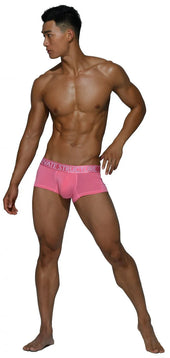
Private Structure Underwear 2024-1: Discover Modern Style & Uncompromising Comfort
Upgrade your underwear drawer with the Private Structure Underwear 2024-1 collection at SeductiveUtopia.net. This Mal...