How to Choose Men's Underwear That Actually Fits Your Life
Finding the right men's underwear can make a real difference in your daily comfort and confidence. It sounds simple, but most men have experienced that mid-afternoon discomfort from waistbands that dig in, fabric that doesn't breathe, or a style that just doesn't work with their body. Knowing how to choose men's underwear properly saves you from that cycle of buying, regretting, and repeating. Whether you're building a better basics drawer or just tired of settling for whatever was on sale, this guide walks you through everything that matters: fabric, fit, style, and how to match each of those to your actual lifestyle.
Know Your Fabric Options
The fabric your underwear is made from affects everything. It determines how cool or warm you feel, how well moisture is managed, how long the garment lasts, and whether your skin stays comfortable throughout the day. Before anything else, it helps to understand what each material actually does.
Which Material Works Best for Your Lifestyle?
Cotton
Cotton is the most common underwear fabric for a reason. It's soft, breathable, and gentle on skin, making it an excellent choice for everyday wear. If you spend most of your day in an office, running errands, or in low-intensity situations, cotton delivers reliable comfort without much fuss.
There are different types of cotton worth knowing. Regular cotton is affordable and widely available. Combed cotton goes through an extra processing step that removes short fibers, leaving a smoother, more durable fabric. Supima cotton, grown in the United States, is considered a premium variety with a softer feel and stronger fiber. Egyptian cotton shares similar qualities, offering a luxuriously smooth texture.
The main drawback with cotton is that it absorbs moisture and holds onto it. If you're active or live in a hot, humid climate, wet cotton against your skin can become uncomfortable quickly.
Modal and MicroModal
Modal is a semi-synthetic fabric made from beech tree pulp. It's incredibly soft, often described as feeling silkier than cotton, and it's more breathable than most synthetic options. Modal also holds its shape well and resists shrinking, which means your underwear stays looking and feeling good through many washes.
MicroModal is a finer, higher-grade version of the same material. Both are popular choices in premium underwear lines because they offer a next-to-skin softness that's hard to beat. If you're someone who prioritizes comfort above everything else, modal-based fabrics are worth exploring.
Synthetic Fabrics: Polyester, Nylon, and Spandex
Synthetic materials like polyester and nylon are built for performance. They wick moisture away from your skin and dry quickly, which makes them ideal for workouts, outdoor activities, or any situation where you're going to sweat. If you're hitting the gym, going for a run, or spending a full day on your feet, moisture-wicking synthetics keep you dry and reduce the risk of chafing.
Spandex, also known as elastane or Lycra, is rarely used on its own but is often blended into other fabrics to add stretch. A small percentage of spandex in your underwear means better movement, a more secure fit, and a waistband that bounces back without losing its shape.
Bamboo
Bamboo fabric has grown in popularity as a more sustainable option. It's naturally soft, breathable, and has moisture-wicking properties. Some bamboo fabrics also have natural antibacterial qualities, which can help with odor control. If sustainability matters to you when making purchases, bamboo underwear is worth considering.
Merino Wool
Merino wool might not be the first material you think of for underwear, but it's a surprisingly effective option. It regulates temperature naturally, keeping you warm in cooler conditions and cool when it's warm. It also wicks moisture and resists odor exceptionally well. Merino underwear tends to be pricier, but for travel, outdoor activities, or cold-weather use, it performs better than most alternatives.
Fabric Blends
Most underwear today is made from a blend of materials rather than a single fabric. A cotton-modal blend, for example, combines the breathability of cotton with the softness of modal. A polyester-spandex blend offers stretch and moisture management together. Reading the fabric label gives you a clear picture of what you're getting and helps you match the material to your daily demands. For a deeper breakdown of how each fabric type affects durability, care requirements, and long-term performance, our fabric types guide for everyday durability and comfort covers every material in detail.
Find the Right Fit for Your Body
Fabric is important, but fit is where comfort is truly won or lost. Underwear that doesn't fit correctly creates problems throughout the day: restricted movement, constant readjusting, irritation, and that general sense of being uncomfortable in your own skin.
Why Fit Matters More Than You Think
Getting Your Size Right
Men's underwear is typically sized by waist measurement. Sizing charts vary slightly between brands, but as a general rule, you should match the waistband size to your actual waist measurement rather than your pants size. Pants often have extra room built in, so using your pants size can lead to choosing underwear that's slightly too large.
If you're between sizes, consider the style and fabric. Styles with stretch, like those made with a spandex blend, tend to have more give, so sizing down slightly can work. For styles with less stretch, it's usually better to size up for comfort.
The Waistband
The waistband is one of the most important parts of the fit. A good waistband sits comfortably at your natural waist without digging in or rolling down. It should feel secure but not tight. If you notice red marks on your skin at the end of the day, the waistband is likely too tight or too stiff.
Wider waistbands tend to distribute pressure more evenly, which makes them more comfortable for extended wear. Narrower waistbands can feel lighter but may roll or slip more easily. Branded waistbands with a thick elastic and logo band are popular in athletic and fashion-forward styles, but the key is always how it feels on your body, not how it looks on the packaging.
The Rise
Rise refers to how high the waistband sits on your torso. Low-rise underwear sits below the natural waist, closer to the hips. Mid-rise sits at the natural waist. High-rise sits above it.
Your body shape and personal preference play a big role here. Taller men often find mid or high-rise more comfortable because it provides more coverage. Shorter or more compact builds may prefer low or mid-rise. It's also worth thinking about what you wear on top. If you regularly wear low-rise jeans or trousers, low-rise underwear prevents the waistband from peeking out. If you wear high-waisted pants or prefer full coverage, mid or high-rise is a better match.
Leg Length and Coverage
Different underwear styles offer different leg lengths. Briefs have no leg coverage, trunks have a short leg, and boxer briefs extend further down the thigh. The right leg length depends partly on your body shape and partly on what you're wearing over your underwear.
If you experience thigh chafing, longer leg coverage from boxer briefs or longer trunks can help significantly. If you're wearing fitted trousers or chinos, a shorter cut like trunks or briefs avoids bunching under the fabric.
Choose a Style That Suits Your Needs
Once you understand fabric and fit, the next step is choosing the right style. Each cut serves a different purpose, and the best choice depends on your body type, daily activities, and personal preference.
Briefs, Boxers, or Trunks: What's the Difference?
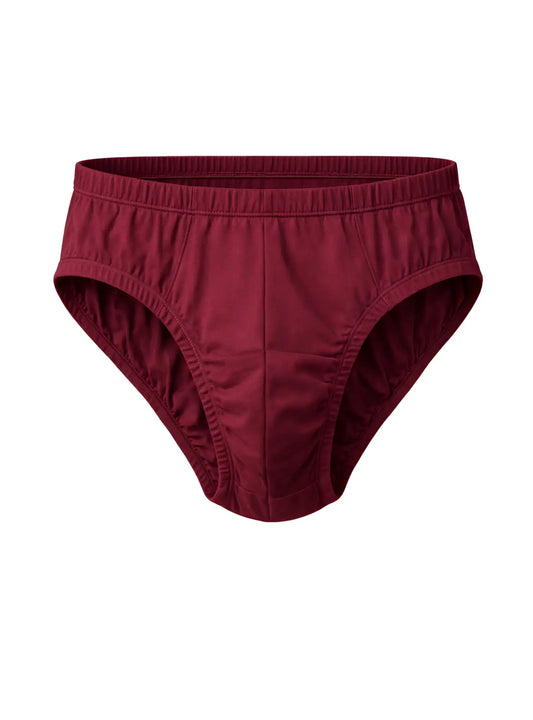
Briefs
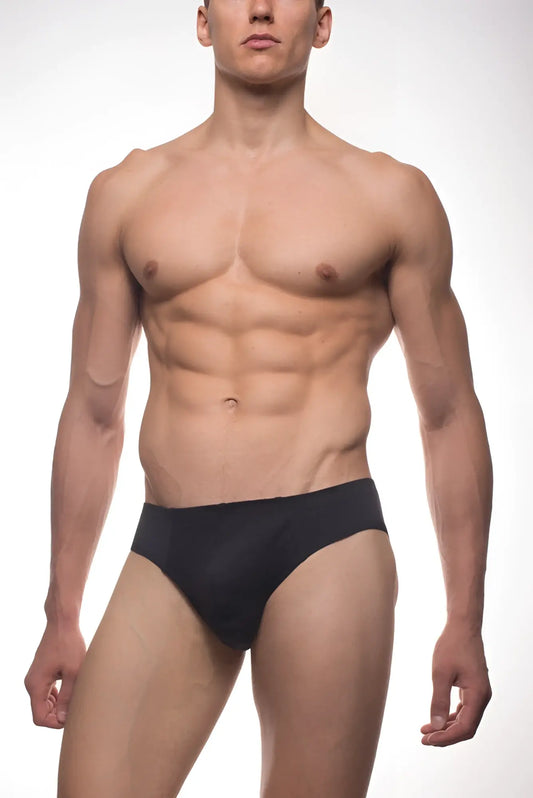
Briefs are the classic, minimalist option. They have a high-cut leg opening, no leg coverage, and a snug fit that provides strong support. For men who prioritize support, especially during physical activity or for those with a fuller build, briefs offer reliable hold without extra fabric. They're also a practical choice under fitted clothing because there's no leg fabric to bunch up or shift. Browse the full men's briefs collection for styles across every fabric and cut.
Boxer Shorts
Boxer shorts are the most relaxed style. They have a loose, roomy fit with full leg coverage. For men who prioritize freedom of movement and airflow, boxers are the go-to choice. They're comfortable for lounging, sleeping, or low-intensity daily wear.
The trade-off is support. Boxers offer very little structure, which can become uncomfortable during physical activity or under fitted clothing where excess fabric tends to bunch. If you're active or spend long days on your feet, boxers may not be the most practical everyday option.
Boxer Briefs
Boxer briefs combine the support of a brief with the coverage of a boxer. They have a fitted cut with a longer leg, typically reaching mid-thigh. This makes them one of the most versatile styles available, suitable for everyday wear, athletic activity, and almost any clothing type.
For men who experience inner thigh chafing, boxer briefs are particularly useful because the leg coverage reduces skin-on-skin friction. They're also a strong choice for taller men or those with a more athletic build who want both support and coverage. The men's boxer briefs collection covers the full range of lengths, fabrics, and constructions.
Trunks
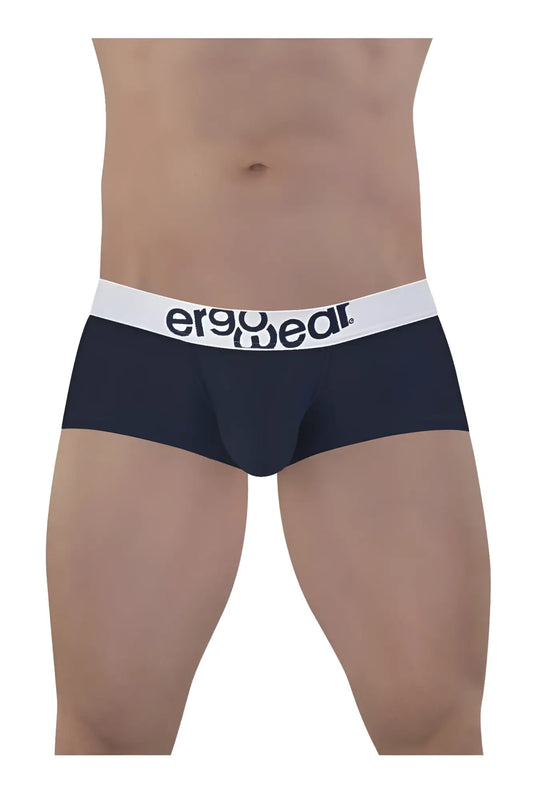
Trunks are similar to boxer briefs but with a shorter leg cut. They offer the same fitted, supportive structure without as much leg coverage. This makes them a popular choice for men who want the support of boxer briefs but prefer a modern, streamlined silhouette. Trunks work well under most clothing and are a solid everyday option for men who find boxer briefs too long but want more coverage than briefs.
Jockstraps and Athletic Underwear
For high-intensity sport or specific physical activities, jockstraps and athletic underwear with built-in support pouches are worth considering. These styles are engineered for performance, providing maximum support while minimizing fabric. They're not everyday essentials for most men, but if you're regularly training or playing sport, having a few performance-focused pairs in your drawer makes sense.
Thermal and Long Underwear
For cold weather, thermal or long underwear adds a base layer of warmth under your clothing. These are typically made from merino wool, fleece-lined fabrics, or insulated synthetics. If you live in a colder climate or spend time outdoors in winter, thermal underwear is a practical addition to your wardrobe.
Other Factors Worth Considering
Care and Durability
Higher-quality fabrics tend to last longer, but how you care for your underwear matters just as much. Most underwear should be washed in cold water on a gentle cycle and air-dried when possible. High heat from dryers can break down elastic and shrink certain fabrics over time. Checking the care label before washing helps you protect your investment.
Seams and Construction
Flat seams or seamless construction reduce irritation, especially for men who are sensitive to friction or who wear fitted clothing. Raised seams can create pressure points that become uncomfortable over a full day of wear. If you've ever noticed discomfort along the leg opening or around the waistband, seam construction may be the culprit.
Quantity and Rotation
Having enough underwear in rotation is a practical consideration. Most recommendations suggest having at least seven pairs for a week's worth of wear, though many men prefer more to extend the time between laundry days. Replacing worn-out pairs regularly also makes a difference. Stretched waistbands, thinning fabric, and worn elastic are signs it's time to refresh your drawer.
Color and Pattern
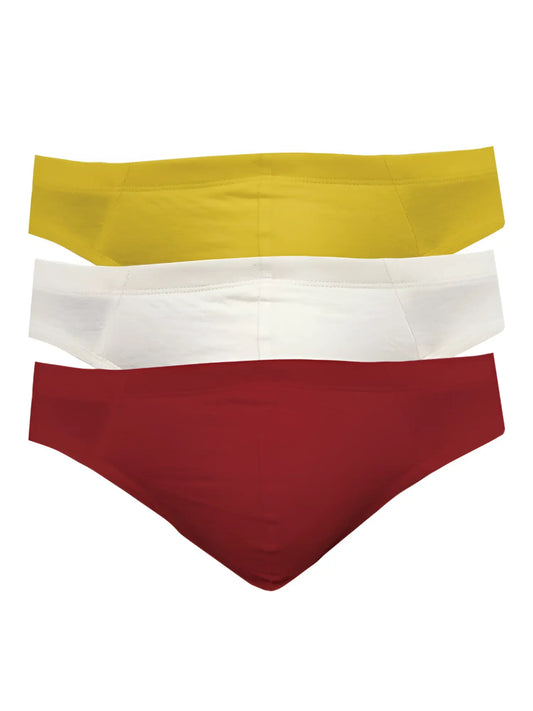
While color and pattern are largely personal preference, there's a practical side to consider. Nude or skin-tone underwear is the most versatile under light-colored clothing, as it's less visible than white or dark colors. White can show through thin fabrics. Dark colors and patterns are great for everyday wear but may not be ideal under very light trousers or shorts.
Making the Right Choice for You
Knowing how to choose men's underwear comes down to three core things: fabric, fit, and style. When you take the time to understand what each element contributes to your comfort, shopping becomes straightforward and you stop wasting money on pairs that end up shoved to the back of the drawer.
Start by thinking about your daily routine. Are you mostly sedentary, active, or somewhere in between? That determines whether breathable cotton or moisture-wicking synthetics serve you better. Then consider your body type and how different rises and leg lengths feel on your frame. Finally, match the style to your activities and the clothing you typically wear.
There's no single perfect pair for every man, but there is a right choice for you specifically. Use this guide as your reference point, invest in quality over quantity, and give yourself the everyday comfort you actually deserve. For a side-by-side comparison of every men's underwear style ranked by comfort and lifestyle fit, our ranked guide to the most comfortable men's underwear is the natural next read — and if you're ready to explore the full range of men's styles available, the boxer briefs and briefs collections are the best place to start.
Related Posts
-
Introducing the PLURAL PL005 Top Color Mint Green: Comfort and Style Combined
Introducing the PLURAL PL005 Top Color Mint Green: Comfort and Style Combined Are you tired of compromising comfort ...
-

Women's Underwear: Complete Guide to Style, Comfort & Confidence
Introduction Welcome to SeductiveUtopia.net, your ultimate destination for transforming your wardrobe and igniting yo...
-
Vedette 5097 Strapless Body Shaper Bikini Color Nude: Your Ultimate Shapewear Solution
Introducing the Vedette 5097 Strapless Body Shaper Bikini Color Nude If you're looking for the perfect combination o...
-

Low Rise Boxer Briefs: Best Picks for Every Body Type
Finding the right underwear feels like a small decision until you're halfway through your day tugging at a waistband ...
-
The Ultimate Guide to Understanding and Choosing the Perfect Underwear in 2026
The Foundation of Your Wardrobe: A Deep Dive into Underwear Often overlooked, yet arguably the most crucial element o...